AI Projects
This section highlights some of the AI-powered products and platforms I’ve worked on. These projects focus on turning complex AI capabilities into tools that people can actually understand and use, whether that means configuring data, training models, or interacting with AI in meaningful ways. My work focused on designing clear workflows and interfaces that make powerful technology feel approachable and useful.
// Project Details
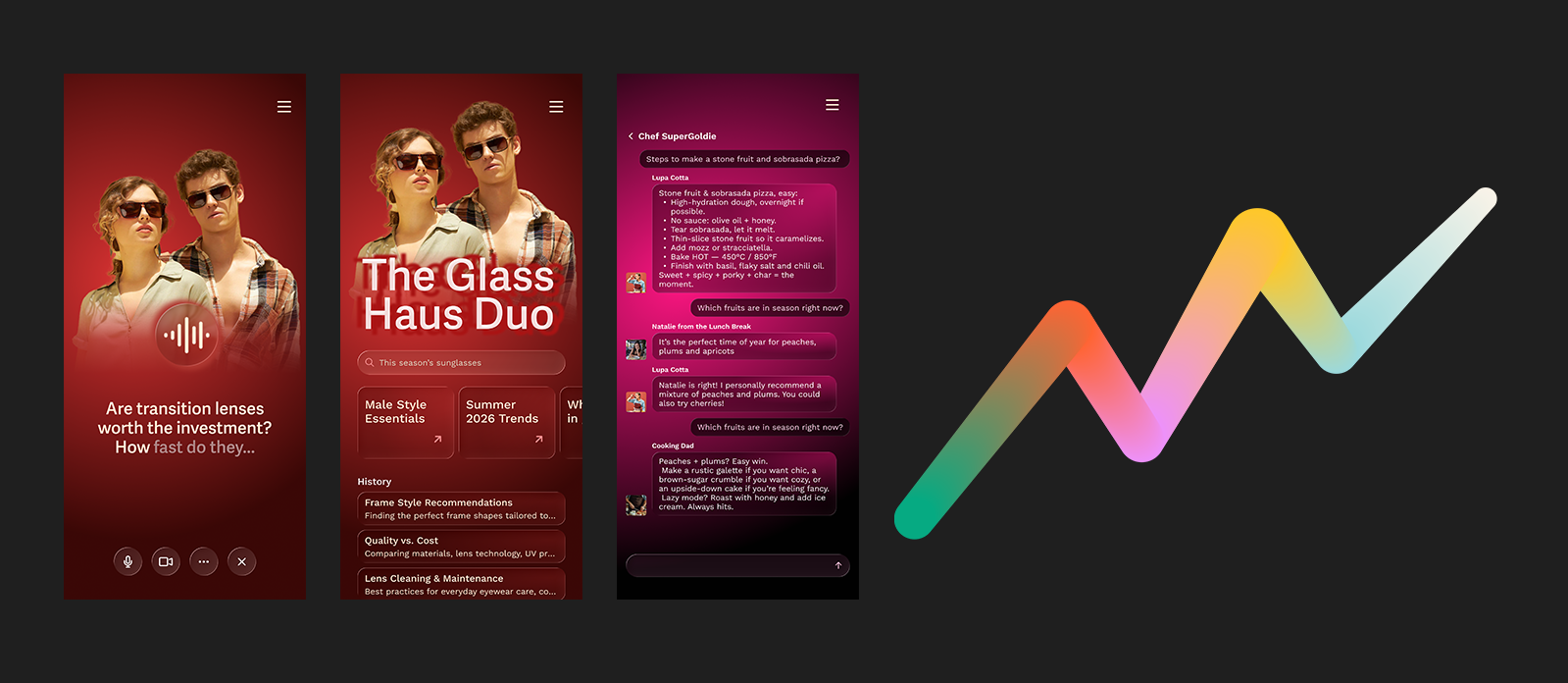
I designed a platform where fans can chat with a creator’s AI “Goldie,” a digital twin trained on the creator’s content and knowledge. Through a natural, conversational interface, fans can ask questions, discover content, and receive personalized recommendations in a way that feels engaging and true to each creator’s voice. I also extended AI into the admin experience, enabling creators to manage content and configure their assistant through more intuitive, conversational workflows, making complex tasks faster and easier to handle.
Role
Lead UI/UX Designer
Team
1 Designer, 5 Devs (3 FE, 2BE)
Challenge
Making users trust AI
◀ Click to see Case Study
// Project Details
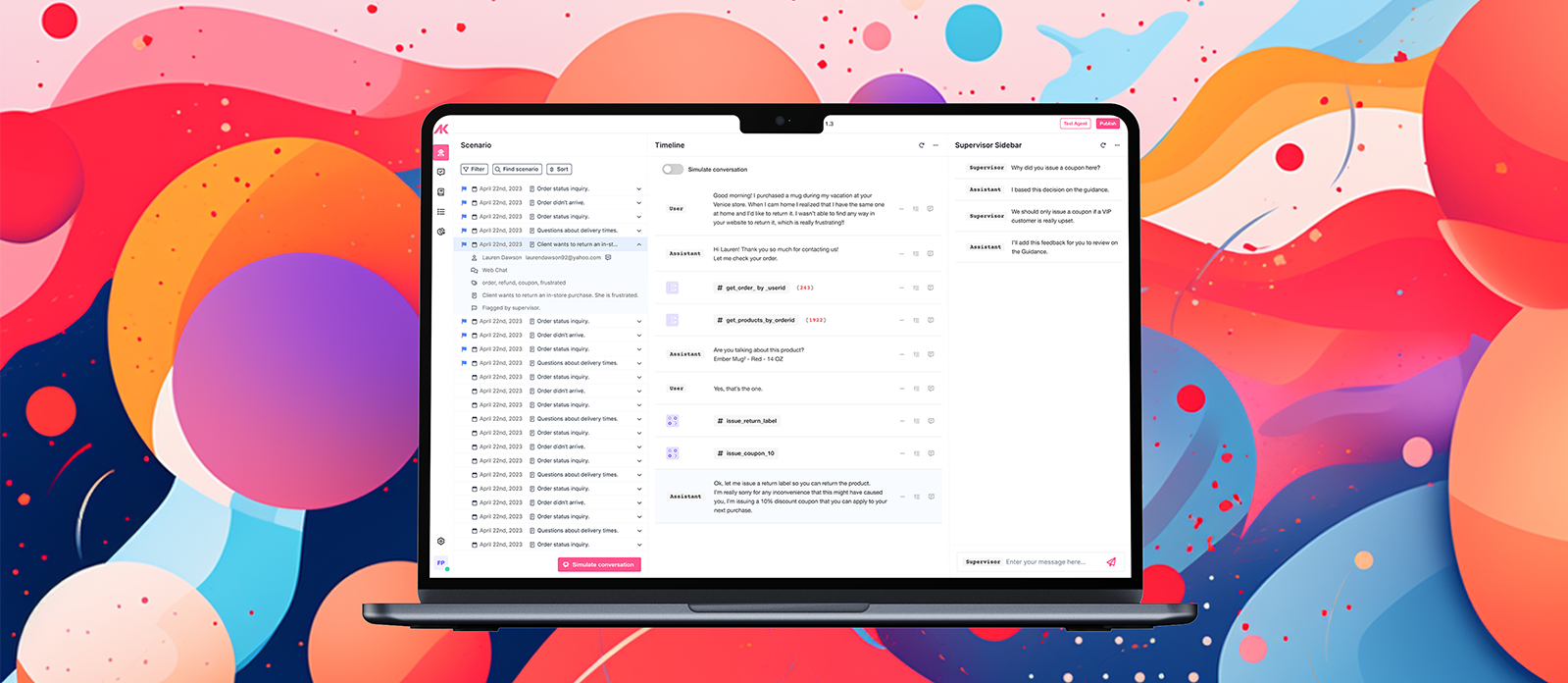
I designed a platform that enables companies to deploy AI agents directly within their websites as digital workers, initially built for Airkit and later carried forward after its acquisition by Salesforce, where the same core experience and approach were applied. These agents help users find information, troubleshoot issues, and get support without needing to contact a human agent. I also designed the admin panel to create, configure, and monitor these agents, giving teams full control over their behavior and performance. The focus was on creating a clear and trustworthy conversational experience, allowing users to ask questions naturally while the AI efficiently handled common requests and seamlessly escalated more complex cases when needed.
Role
UI/UX Designer
Team
1 Designer, 2 Developers, 1 Data Admin
Challenge
Accelerated Timeline
◀ Click to see Case Study
// Project Details
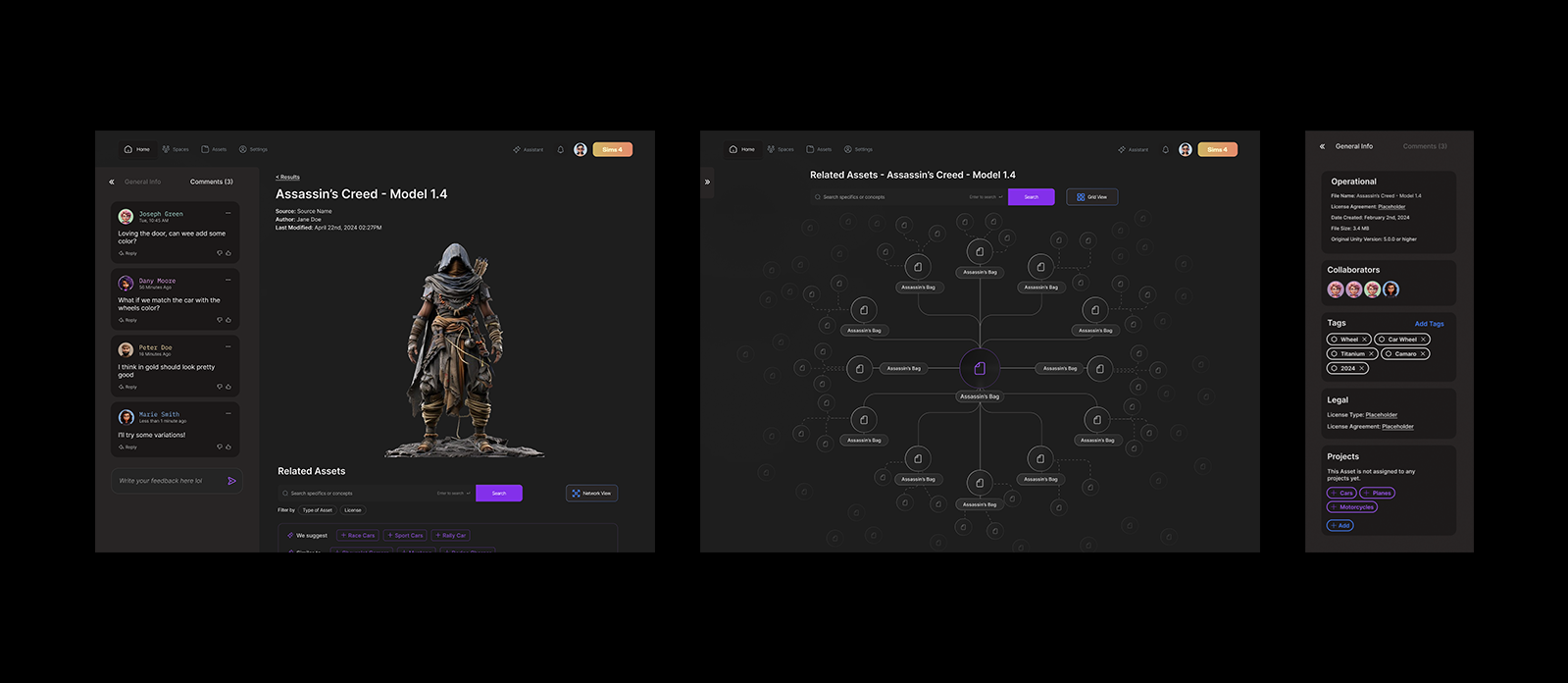
I led the UX process for multiple platforms that enable organizations to create and manage “always-on” employee surveys without relying on analysts or support teams. At the time, there was no defined UX practice, so I introduced and established a structured UX process; from user research and interviews to user stories, flows, and iterative validation, which was later adopted across the company. These platforms allow users to design surveys, continuously collect feedback, and combine sentiment data with behavioral data from other sources, while surfacing results through data visualization and analysis. My focus was on grounding product decisions in real user insights and turning complex data workflows into clear, actionable experiences that teams could easily understand and act on.
Role
UI/UX Designer
Team
3 Designers
Challenge
Solution complexity
◀ Click to see Company's Landing Page